Hidden Gems: 5 Underrated Atlanta Neighborhoods Buyers Should Be Watching
Atlanta’s real estate market has never really been a secret.
Neighborhoods like Buckhead, Virginia Highland, and Inman Park tend to dominate the conversation, and for good reason. They’re established, recognizable, and consistently in demand.
But some of the most interesting opportunities in Atlanta right now are not happening in the neighborhoods everyone already knows.
They’re happening in the areas quietly evolving just outside the spotlight.
The neighborhoods where infrastructure is improving, local businesses are opening, buyers are slowly catching on, and pricing still leaves room for upside.
Because in real estate, the best opportunities are rarely the ones everyone is already chasing.
For buyers thinking strategically in 2026, these are five underrated Atlanta neighborhoods worth paying close attention to.
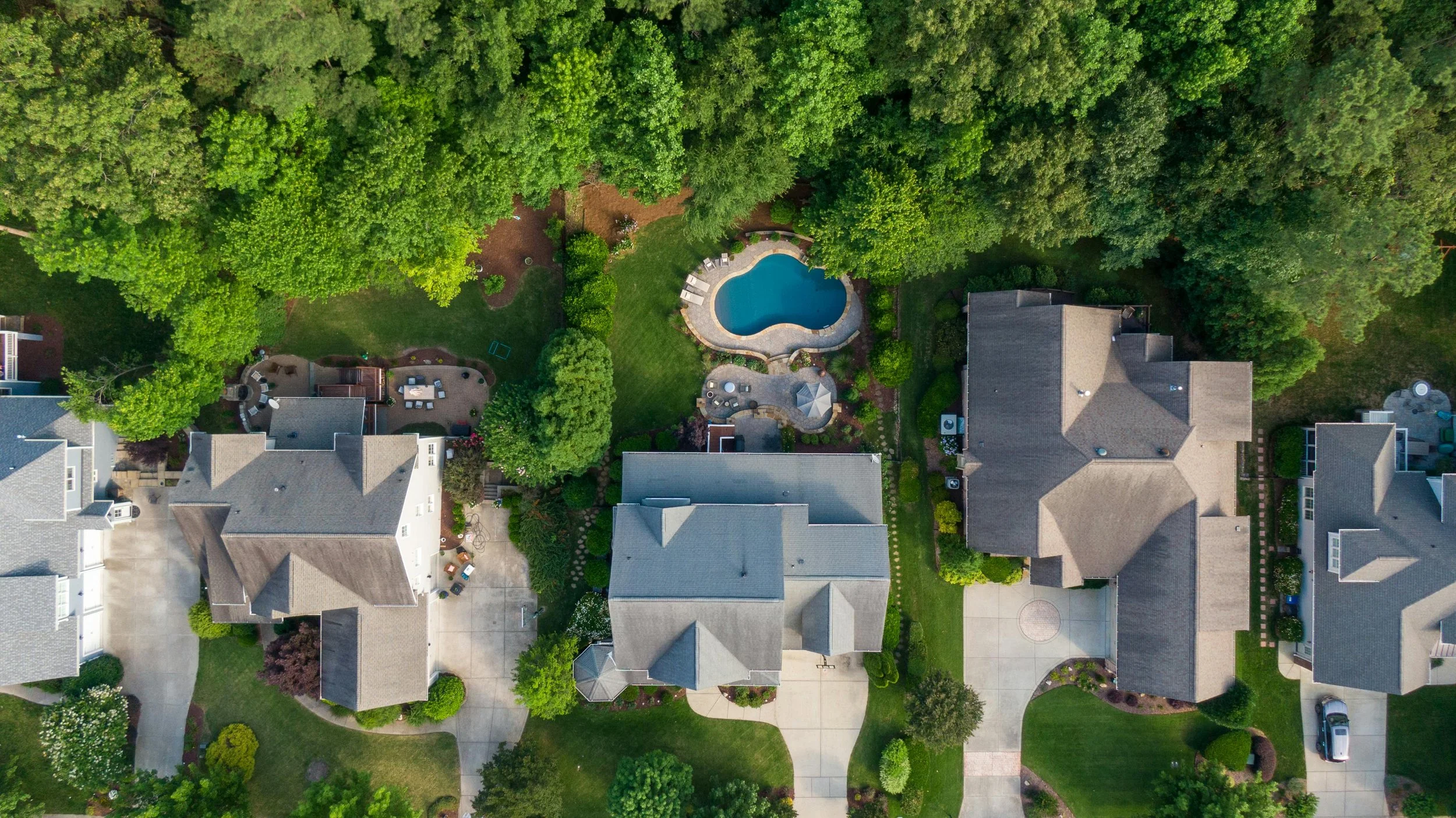
1. Chosewood Park
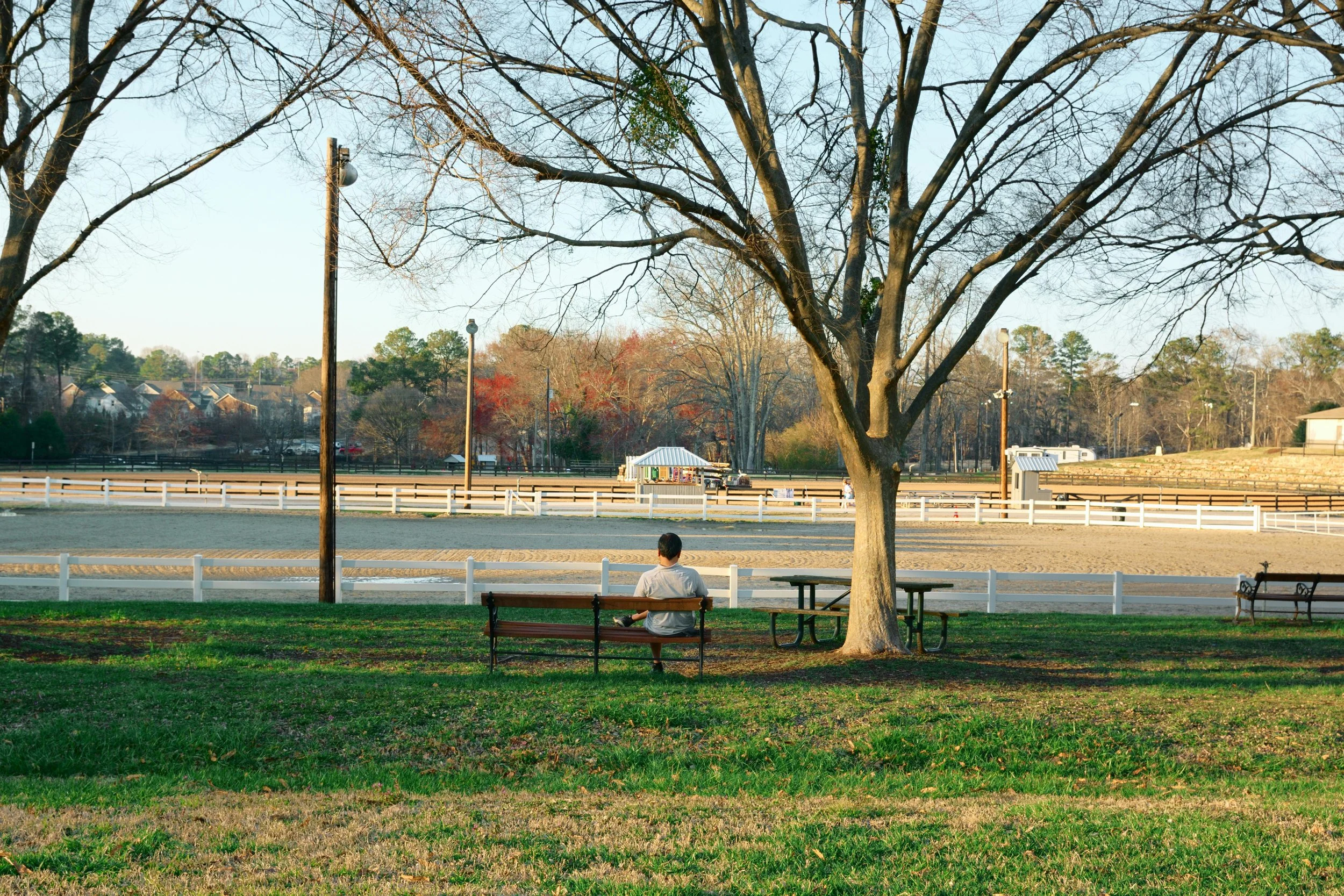
For years, Chosewood Park sat in the shadow of neighboring Grant Park and Reynoldstown. Now, it is beginning to establish an identity of its own.
Located just southeast of downtown, the neighborhood has seen steady investment without losing the residential feel that originally made people pay attention to it. Buyers are increasingly drawn to the combination of proximity and relative value. You are minutes from the BeltLine, close to major redevelopment corridors, and still buying at a noticeably lower entry point than many nearby neighborhoods.
That pricing gap matters.
As surrounding areas continue appreciating, buyers are starting to look one layer outward for value. Chosewood Park benefits directly from that migration pattern.
The neighborhood also offers something increasingly difficult to find in Atlanta: space. Larger lots, mature trees, and a quieter atmosphere create a different experience than some of the denser intown markets.
According to Zillow, buyers continue prioritizing walkability and proximity to lifestyle amenities, but affordability pressure is pushing demand into adjacent neighborhoods where long-term upside still exists.
Chosewood Park sits directly in that lane.
2. UPPER WESTSIDE
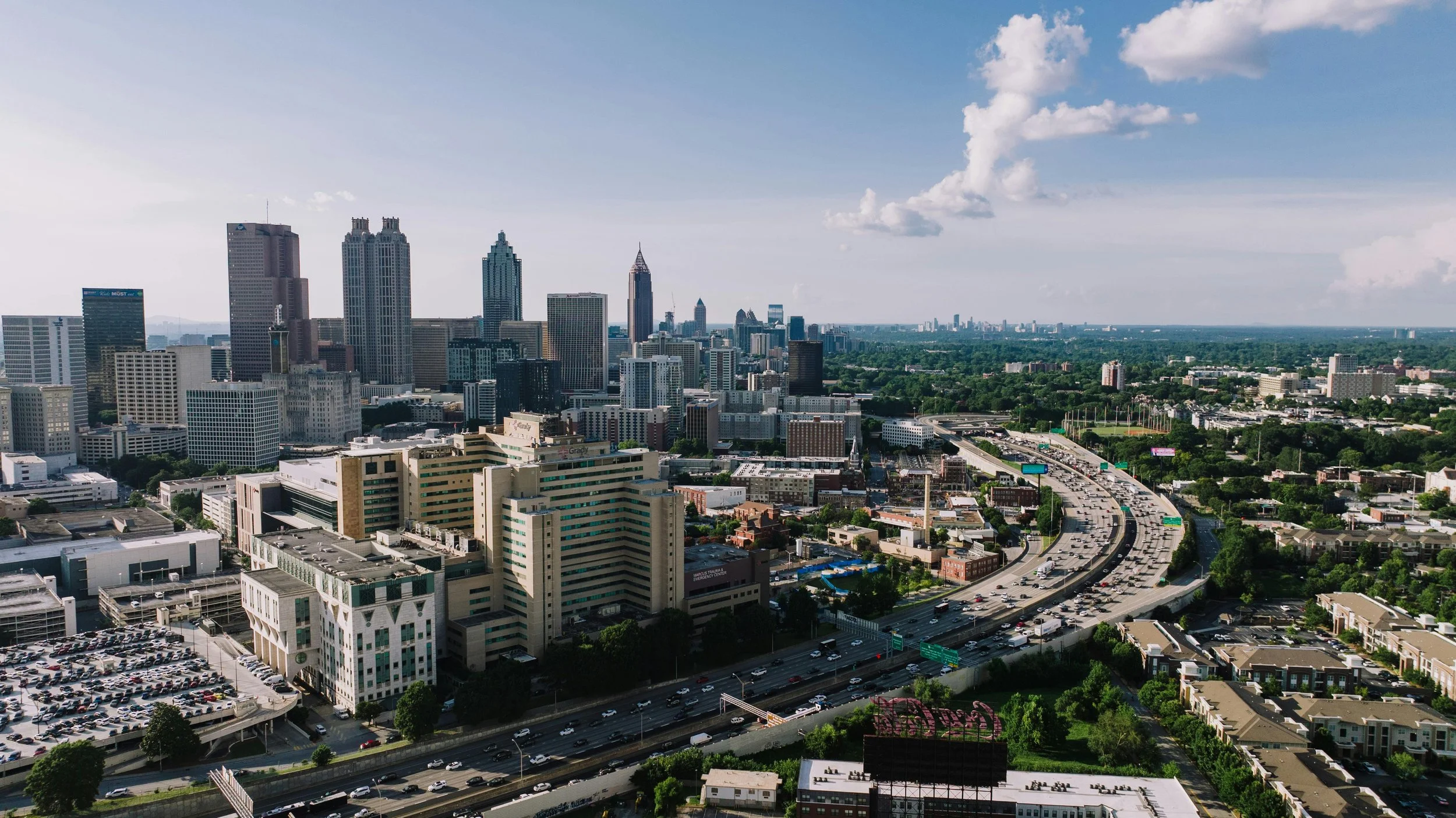
The Upper Westside is no longer exactly “unknown,” but many buyers still underestimate how much the area has evolved over the last several years.
What was once primarily industrial has transformed into one of Atlanta’s strongest examples of adaptive growth. New residential developments, retail expansion, breweries, restaurants, and office projects have completely reshaped the perception of the area.
The reason buyers should pay attention now is not because the transformation is coming. It is because it is already happening.
Areas like West Midtown experienced explosive appreciation once the broader market fully recognized their potential. The Upper Westside is following a similar trajectory, but with more room for growth still ahead.
Infrastructure investment also plays a major role here. Connectivity improvements and continued expansion toward the Westside BeltLine corridor are increasing both accessibility and buyer demand.
Organizations like Atlanta BeltLine continue influencing how buyers evaluate long-term growth pockets throughout the city. Proximity to those development patterns tends to matter over time.
For buyers looking at Atlanta through an investment lens rather than just a lifestyle lens, the Upper Westside deserves serious attention.
3. EAST LAKE
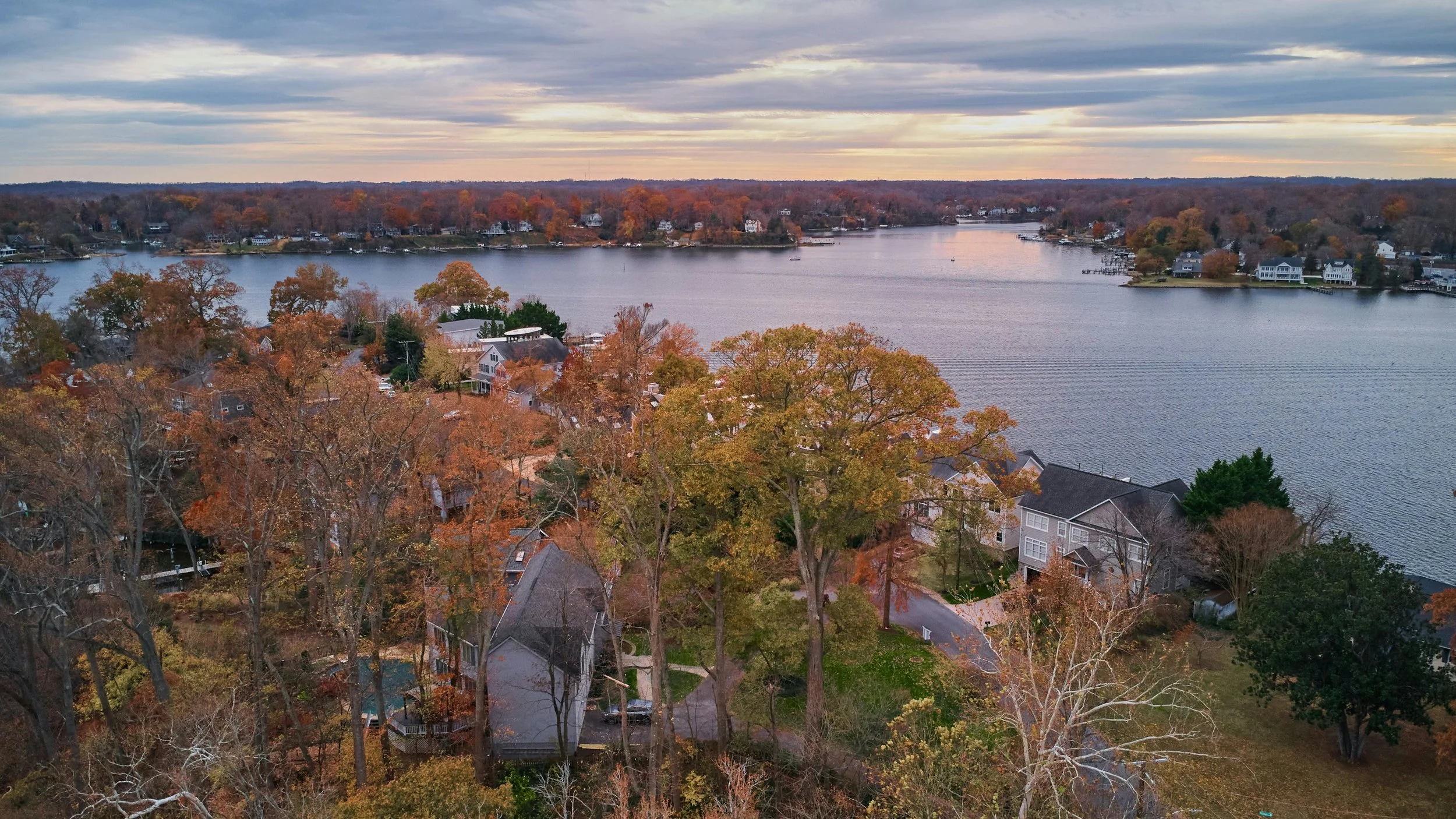
East Lake often gets overshadowed by neighboring Kirkwood, Decatur, and Oakhurst, but that lack of attention is partially what makes it compelling.
The neighborhood has quietly become one of the more balanced opportunities in the eastern part of the city.
You still get strong access to major lifestyle hubs, established residential streets, and proximity to golf, parks, and dining, but pricing remains more approachable than many nearby alternatives.
What makes East Lake especially interesting is its stability.
Some emerging neighborhoods experience rapid spikes followed by periods of volatility. East Lake has appreciated in a more measured way, supported by consistent demand and strong owner occupancy.
That consistency matters in uncertain markets.
According to housing trend analysis from Redfin, buyers in 2026 are placing greater emphasis on long-term livability and neighborhood durability rather than purely speculative appreciation.
East Lake aligns well with that shift.
It appeals to buyers who want both quality of life and long-term positioning without paying peak-market pricing.
4. SYLVAN HILLS
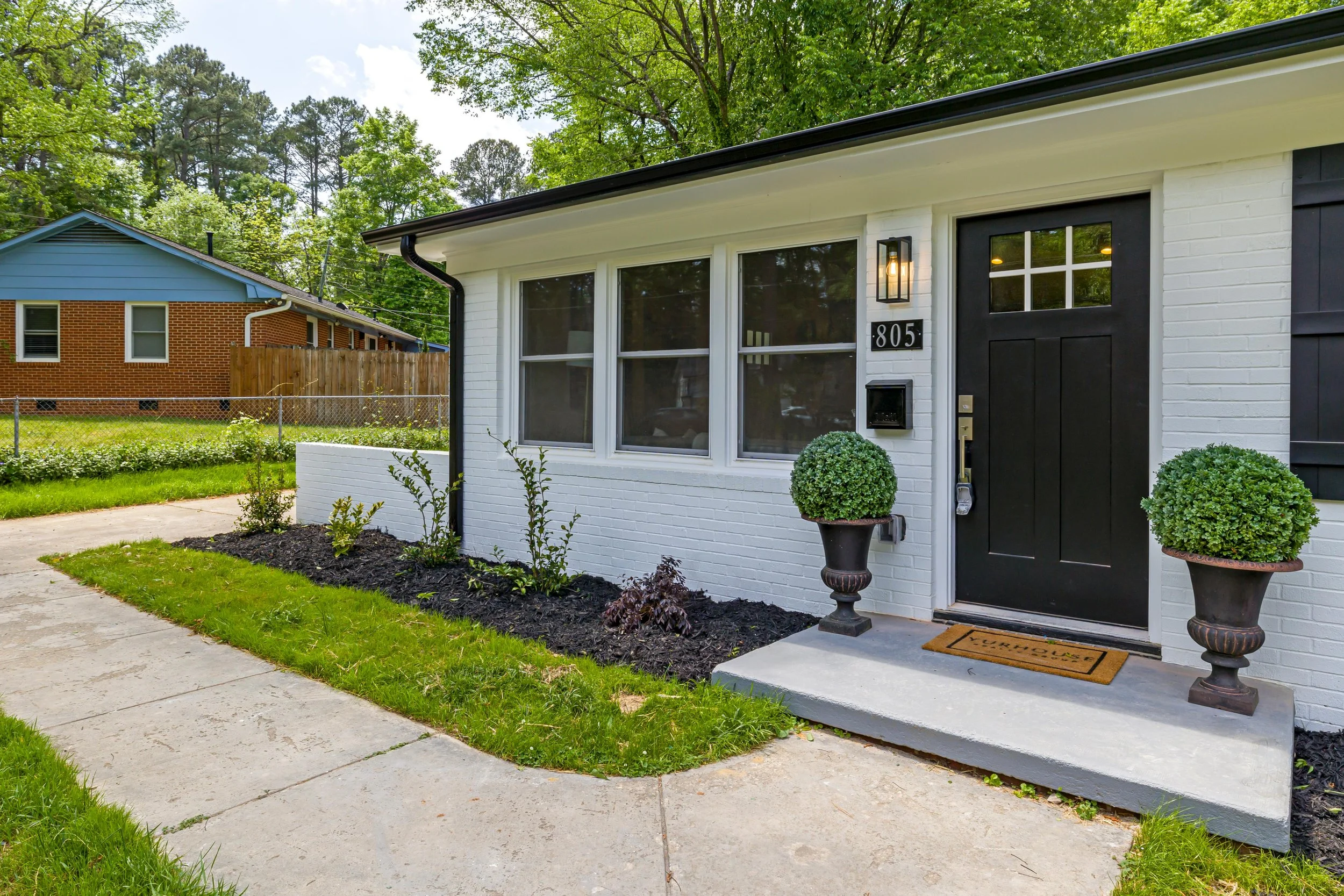
Sylvan Hills is one of the more overlooked neighborhoods on the south side of Atlanta, and that is exactly why buyers should be watching it closely.
Located near the Lee + White development corridor and southwest BeltLine access, the area is benefiting from increasing infrastructure attention and gradual buyer migration.
Historically, many buyers overlooked south Atlanta entirely in favor of the eastside or northside markets. That perception has slowly started changing as affordability constraints push buyers to reevaluate where value still exists inside the city.
Sylvan Hills stands out because it combines accessibility, historic housing stock, and future growth potential at a price point that is becoming increasingly difficult to find elsewhere.
Importantly, the neighborhood still feels early.
That does not mean buyers should approach it speculatively. It means the broader market has not fully caught up to the level of long-term potential many local investors already see.
This is often where the strongest opportunities exist. Not after a neighborhood becomes fully established, but during the stage where momentum is visible yet pricing has not completely accelerated.
5. PEOPLESTOWN
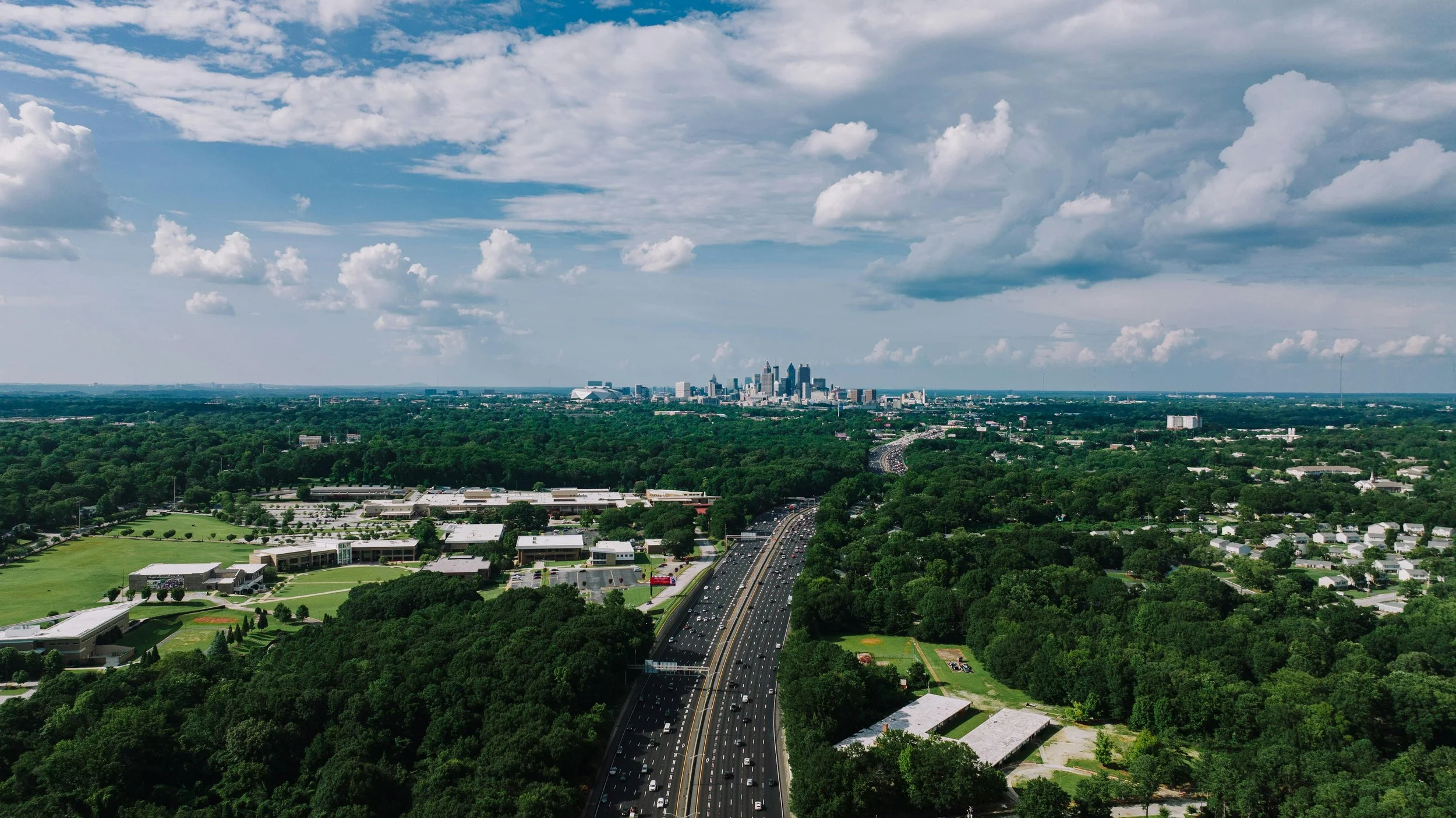
Peoplestown sits in one of the most strategically positioned pockets of Atlanta.
Bordered by Summerhill, Grant Park, and the BeltLine corridor, the neighborhood benefits from multiple layers of surrounding growth at once.
What makes Peoplestown especially notable is how much institutional and commercial investment is happening nearby. Major redevelopment projects throughout Summerhill and the south downtown corridor continue reshaping the broader area.
As investment expands outward, adjacent neighborhoods tend to benefit from increased demand and rising visibility.
This pattern has repeated itself throughout Atlanta for decades.
According to urban growth research frequently referenced by Urban Land Institute, neighborhoods connected to large-scale infrastructure and mixed-use investment often experience significant long-term demand growth as surrounding districts mature.
Peoplestown is positioned directly within that ecosystem.
For buyers willing to think longer-term, it represents one of the more strategically located opportunities currently flying under the radar.
6. What Smart Buyers Understand About “Underrated” Neighborhoods
The best neighborhood investments rarely feel obvious in real time.
If everyone already agrees an area is the next big thing, pricing has usually adjusted accordingly.
The stronger opportunities tend to exist in neighborhoods where the fundamentals are improving before the broader market fully prices in that change.
That means paying attention to:
Infrastructure investment
Business development
Buyer migration patterns
Accessibility and connectivity
Relative pricing compared to surrounding neighborhoods
It also means thinking beyond aesthetics and focusing on trajectory.
Because in Atlanta, neighborhood evolution happens quickly.
The Bottom Line
Atlanta’s most established neighborhoods will likely remain strong for years to come.
But for buyers looking for long-term upside, better value positioning, and the ability to enter emerging areas before pricing fully accelerates, some of the most compelling opportunities are happening outside the usual headlines.
The key is knowing where momentum is building before the rest of the market catches up.
And right now, these five neighborhoods are worth watching very closely.